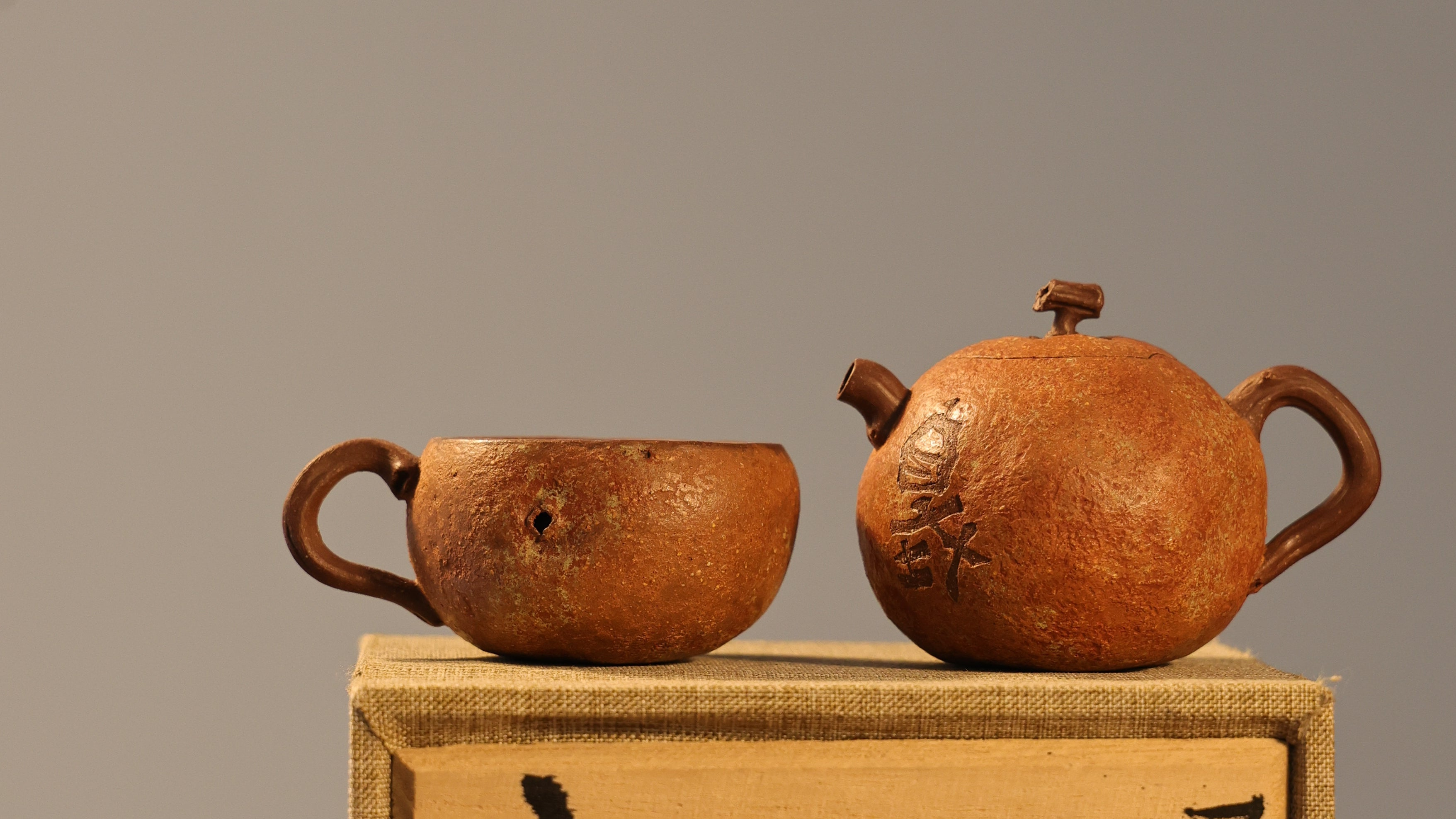
What design features define a high-quality Yixing Zisha Teapot for connoisseurs?
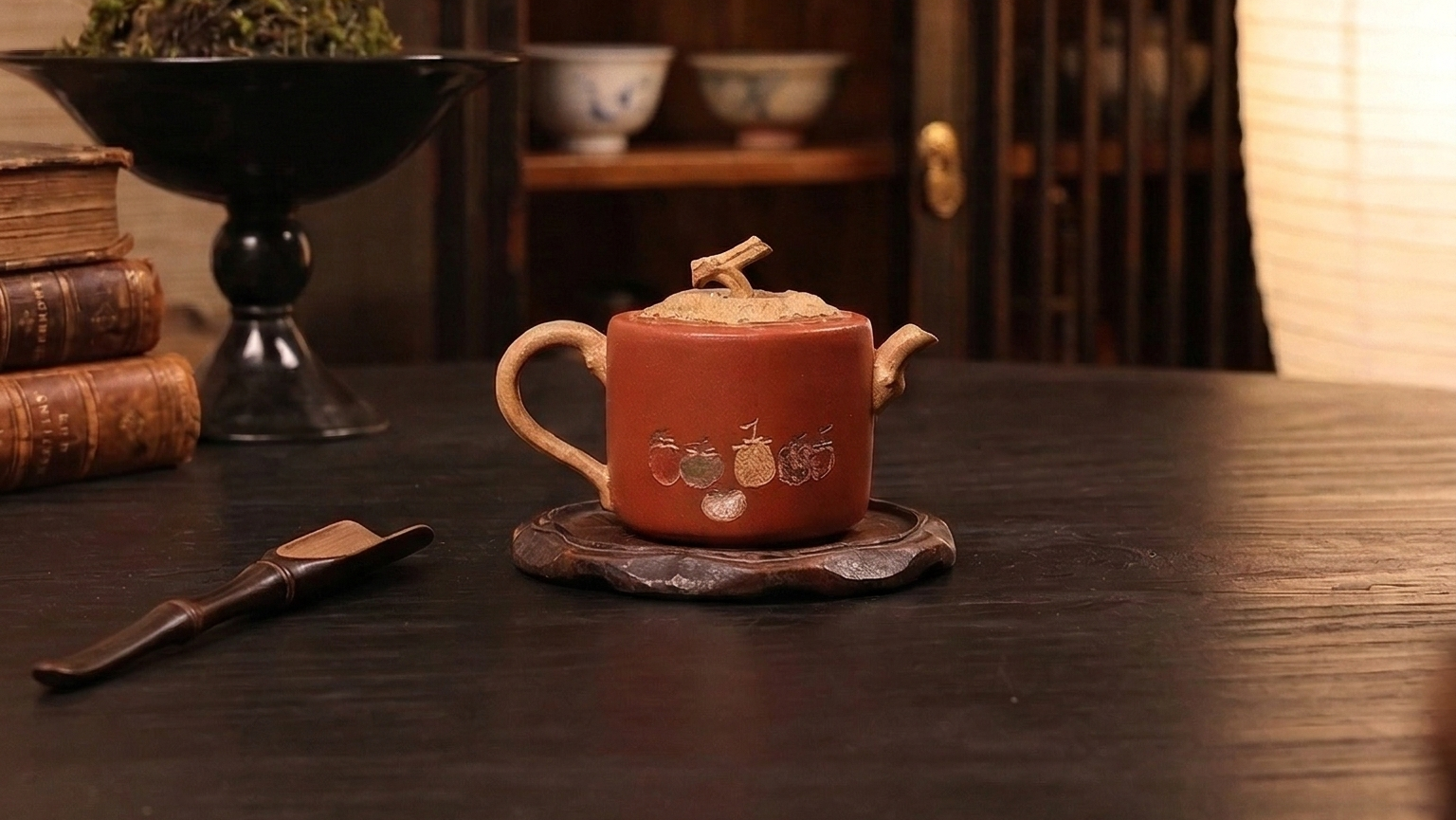
Across the expanse of historic epochs,
Amidst generations, gatherers have been captivated by the one-of-a-kind charm of Yixing Zisha pitchers. Originating from the realm of Yixing in the region of Jiangsu, these utensils are renowned for their exceptional beauty, limited clay, and innate ability to raise the palate of the steeping. The clay's distinctive purple-brown hue, combined with the artistic handiwork of native craftsmen, creates products that are concurrently functional masterpieces and coveted endowments. Obtaining a Zisha teapot is more than just such a purchase; it's inviting a rich civilizational heritage.
copyrightining Yixing Teapots: History, Models, and Esteem
This Yixing teapots are a rich history deeply intertwined with Chinese culture. Starting in the Yixing region of Jiangsu province, these clay vessels carry a heritage linking back to the Ming Dynasty. Original copyrightples were functional, but during centuries, Yixing teapot creation evolved into an esteemed art form. The clay itself, known for its unique composition and ability to boost the flavor of the tea, exists a defining factor. Yixing teapots appear in various forms, broadly categorized by shape: Classic such as Zhuni (purple clay) and Bisheng, as well as custom designs. The significance of a Yixing teapot rests on several factors, including the potter’s renown, the age of the piece, the rarity of the clay, and its aesthetic merit.- History: Historic epoch
- Composition: Diverse kinds
- Assessment Factors: Historical period
Zisha Claycraft: Techniques and Makers
That production of a bona fide Zisha teapot is a complicated process, requiring periods of expertise. Veteran artisans meticulously extract the purest Zisha clay, a exceptional earth found only in specific regions of China. Conventional techniques, often inherited through families, involve exact shaping, refined carving, and patient firing in ancient stoves. The completed teapot isn't merely a object; it's a testament to imaginative vision and the deep connection between the artisan and their legacy. Each work showcases the unique touch of the artisan, resulting in a truly singular work of masterpiece.
Historical Pottery: Surveying the Vast Inheritances of the Yixing Locality
Yixing, found in Jiangsu the province of Jiangsu, is extensively renowned for its exceptional clay Yixing Zisha Teapot pots – a tangible representation of centuries of Chinese tradition. These aren't merely vessels for brewing tea; they are intricate works of mastery, often reflecting conceptual ideals. This unique purple clay, known as Zisha, possesses singular qualities: this material dense, absorbent, and imparts a subtle flavor to the tea.
- Countless bloodlines have honed the techniques of Yixing pot making, passing down hereditary methods through times.
- Enthusiasts prize these pieces for their loveliness and rareness.
- Every object tells a anecdote, connecting the user to a rich background.
Purchasing Yixing Zisha: Critical Aspects
When looking into obtaining Yixing Zisha earthenware, several aspects necessitate careful inspection. In the first place, the earth's shade is noteworthy; authentic Zisha conventionally exhibits a pronounced reddish cast. Additionally, investigate the execution; exacting attributes and a smooth finish imply expert fabrication. To finish, research the craftsman's prestige; renowned names command higher values and often provide a more investment.
Zisha Pot Techniques for Tea Brewing
Steeping savory tea with a Zisha urn is more beyond a simple procedure; it's an mastery. Zisha clay, known for its unique geological composition, imparts a delicate character to the finished tea that’s often lacking with other devices. The appropriate water intensity is necessary; typically, softer than what's used for black tea, to retain the tea's aroma and flavor. Consider scrupulously the tea kind; delicate green teas or aged pu-erhs excel from the Zisha’s ability to tone down their inherent edge. It’s important to condition the teapot preceding brewing, and to refrain from over-steeping. Mastering this approach leads to a truly exceptional tea instance.
- Learning Zisha Clay
- Warming Level & Variety of Tea
- The Importance of Pre-warming
Enhancing Your Celebrated Pot
In order to extend the endurance of your prized Yixing jar, routine attention is utterly indispensable. Do not using synthetic products; instead, carefully wash it with mildly heated fluid. Avoid rapid heat; refrain set the ceramic pot directly onto a scorching support. Periodically, enhance the teapot by percolating it with fine matured brew, as this improves to improve its quality and preserves the special charm of the element.
Concerning Dirt to Vessel: The Development of a Yixing Utensil
A creation of a Zisha teapot is a exceptional mechanism, a indication to both the land’s bounty and the expertise of the artisan. It initiates with the exact extraction of the special clay from the burgundy Zisha mines near Yixing. This untreated material, known for its superlative characteristics, is then carefully clarified and shaped for the early forming. The bottle’s design is artfully formed using a mix of historical forming approaches, often incorporating elaborate decorations. Following drying, the vessel undergoes a decisive first firing, consecutively done by a layering stage, which might involve several layers of earthy Zisha overlays. Finally, a second, and sometimes third, firing at powerful temperatures brings the creation, revealing its conclusive beauty and extraordinary characteristics - a veritable masterpiece, primed to grace a tea ritual.
{Yixing Teapots: A Token of the Legacy and Valuation
Famous Yixing teapots, originating from the renowned Yixing region of Jiangsu province, are far more than mere containers for brewing infusions; they represent a important aspect of Chinese heritage. Produced from distinctive purple clay – zisha – these uncommon teapots are highly esteemed for their ability to enrich the flavor of the tea and, crucially, for their elegance. The chronicle of Yixing teapot making spans centuries, and the technique involved is relayed through generations, making each teapot a cultural artifact that embodies time-honored techniques and a profound appreciation for the simple pleasures in life.