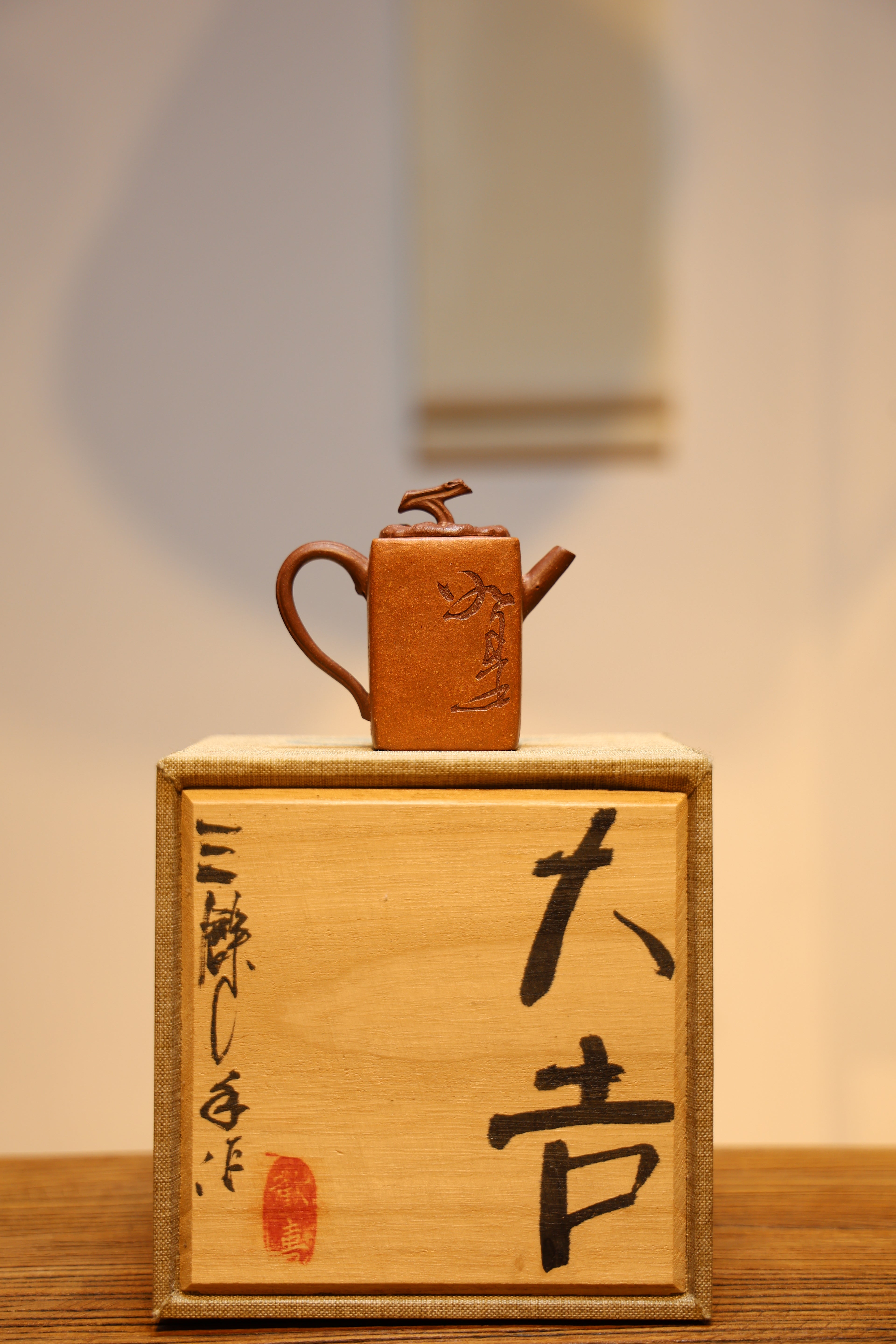
What makes a Purple Clay Teapot more desirable than glass for showcasing artisan loose-leaf teas?
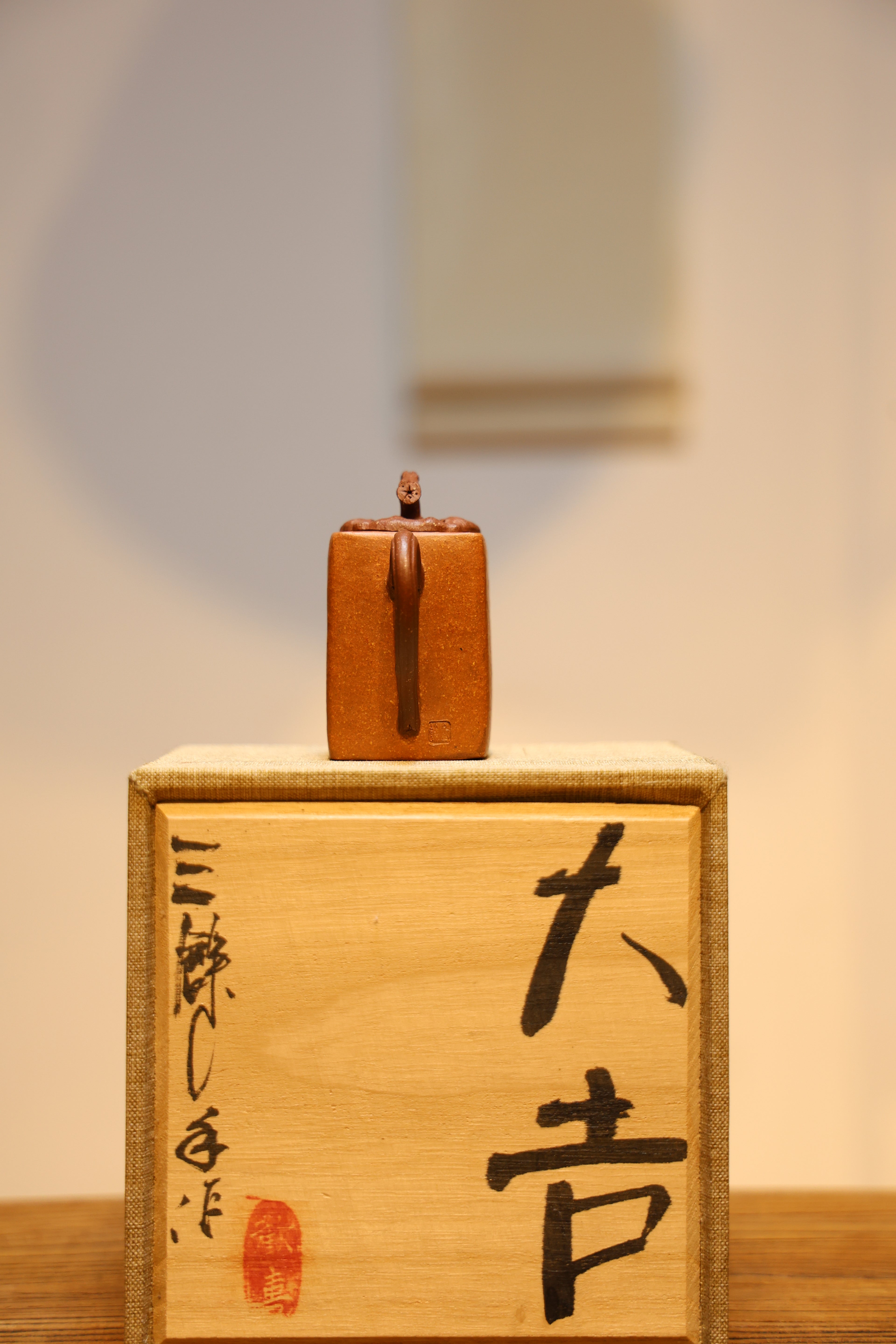
Enduring tradition distinguishes Minjiang jugs for centuries,
Demonstrating peculiar characteristics gathered among territorial lavender elements, such pitchers accumulate a film after handling, strengthening savor liberated from prepared drinks.
Discovering Yixing Material: Detailed Insights into Zisha
Countless connoisseurs admire the unique structure of Yixing heliotrope clay, an essential element of established Chinese stoneware. Hailing from the Yixing region of Jiangsu province, this exceptional clay boasts an sophisticated mineral arrangement, so that gives remarkable qualities to the final pieces. Classes within Zisha, including Jiang Mud, Duan Ni Mud, and Jiang Xi Mud, each features separate tones, feels, and firing traits, determining the openness and the peak note enhancement of the infusion.
Celestial Jar Practices: Investigating Expertise
Far Eastern teapots embody beyond mere flasks for liquid; they embody centuries of inherited craft. From the renowned Yixing clay variations, respected for their spongy nature which adds special tones to the infusion, to the delicate porcelain from Jingdezhen, each piece unfolds a tale of artistry. The construction process is an intricate task, often handed over through tribes of masters. These connoisseurs use historic methods such as hand-building, sculpting on wheels, and decorating, demonstrating profound reverence for the matter and the art itself. Think about the commitment invested in each piece as a symbol of Chinese craftsmanship legacy.
- Zisha jugs: a timeless pick.
- Jingdezhen ware teapots: valued for their graceful design.
- Constructing techniques: a challenging yet fruitful procedure.
Purple Clay Pot Treatment: Safeguarding Your Valuable Artifact
Fitting tending of your precious Yixing Zisha kettle is necessary to safeguarding its quality. Crafted from celebrated purple sand mineral, these fine teapots form a rich patina after employment, decidedly boosting their allure. Avoid cleansers; a careful rinse with temperate fluid is effective. Resist boiling water for rinsing the teapot, as it may weaken its fabric. Allow it to lose wetness away from direct radiance. Consider flavoring your teapot regularly using choice tea, especially rich varieties. Here is a brief summary:
- Cleanse with temperate aqueous.
- Shun detergents.
- Let it to evaporate moisture.
- Mature with choice tea.
Background of Yixing Teapots: Initial Phases
The saga of Yixing teapots emerges initially during the Jin dynasty, estimated the 16th interval. Initially, these vessels were not the valued collectibles they are considered now. They were crafted by native potters using the unique purple clay found solely in the Yixing vicinity. These early creations were mainly utilitarian, intended for daily practice and often ordinary in pattern. It was not until the afterward dynasty that they launched to earn reputation beyond mere useful pottery.
Picking the Appropriate Native Kettle: A Initial Primer
Delving the realm of Yixing teapots can be intimidating, but eschew hesitating! For initiates, the essential factor is understanding the soil. Validated Yixing clay is prized for its diffusibility, allowing the teapot to soak up the tea's bouquet over time, enhancing every developing session. Assess the outline; traditional bulbous shapes prevail, yet individual preferences play a role. Lastly, observe the glaze—while some favor an unfinished appearance, others adore a soft gloss. Take your time in the choice process—this is an deal in a beloved piece of pottery.
Purple Clay Pitchers and Their Contribution on Chinese Beverage Legacy
Zisha jars, hailing from Yixing, China, have profoundly dictated established Chinese tea culture. The Yixing clay teapots, prized for their unique complexion, consistency, and exceptional ability to impart a subtle taste to the concoction, act as more than mere vessels; they are cherished works of art and symbols of greatness. The very process of preparing and serving concoction using a Zisha teapot is steeped in meaning, elevating the experience beyond simple refreshment. Generations of artisans have Zisha Teapot mastered their techniques, passed down through families, resulting in highly esteemed pieces. Therefore, Zisha teapots are frequently accumulated, playing a crucial part in cultivating national appreciation for aesthetics and the ceremony of drink ceremonies.
- Singular Clay Composition
- Imparting Subtle Flavor
- Exquisite Craftsmanship
Identifying Original Valuable Regional Teapots
Securing a truthful Yixing teapot can be a fulfilling experience, but the industry is often crowded with forgeries. Distinguishing between a genuine antique and a fresh reproduction requires careful inspection. Key features include the clay's russet shade, often displaying patterned signs, and the absence of modern baking imprints. The profile should appear natural class, reflecting the traditional Yixing look. Finally, evaluating the artisan's inscription is paramount to verify genuineness against recorded literature.
- Assess the clay's texture.
- Look for inconsistencies, indicative of tailored quality.
- Request an advisor for verification.
Considering Native Kettles: A Detailed Handbook to Clay Ware Review
The market of 宜兴 Zisha containers grants a noteworthy circumstance for discerning enthusiasts. Continuously, the market price of these mastercrafted artifacts is regulated by distinct factors, such as the quality of 紫砂, the artistry of the maker, the traditional value, and, naturally, the prevailing supply. Apprentices should study on examining the distinct variants of Zisha clay—such as Chilled Stream, Hushed Pot, and Blush Clay—and familiarizing the details linked to each. Attentive scrutiny of the craft's pattern, cast, and imprint is likewise important to make responsible selections when investing.